
Five takeaways from ProcureTEX Amsterdam
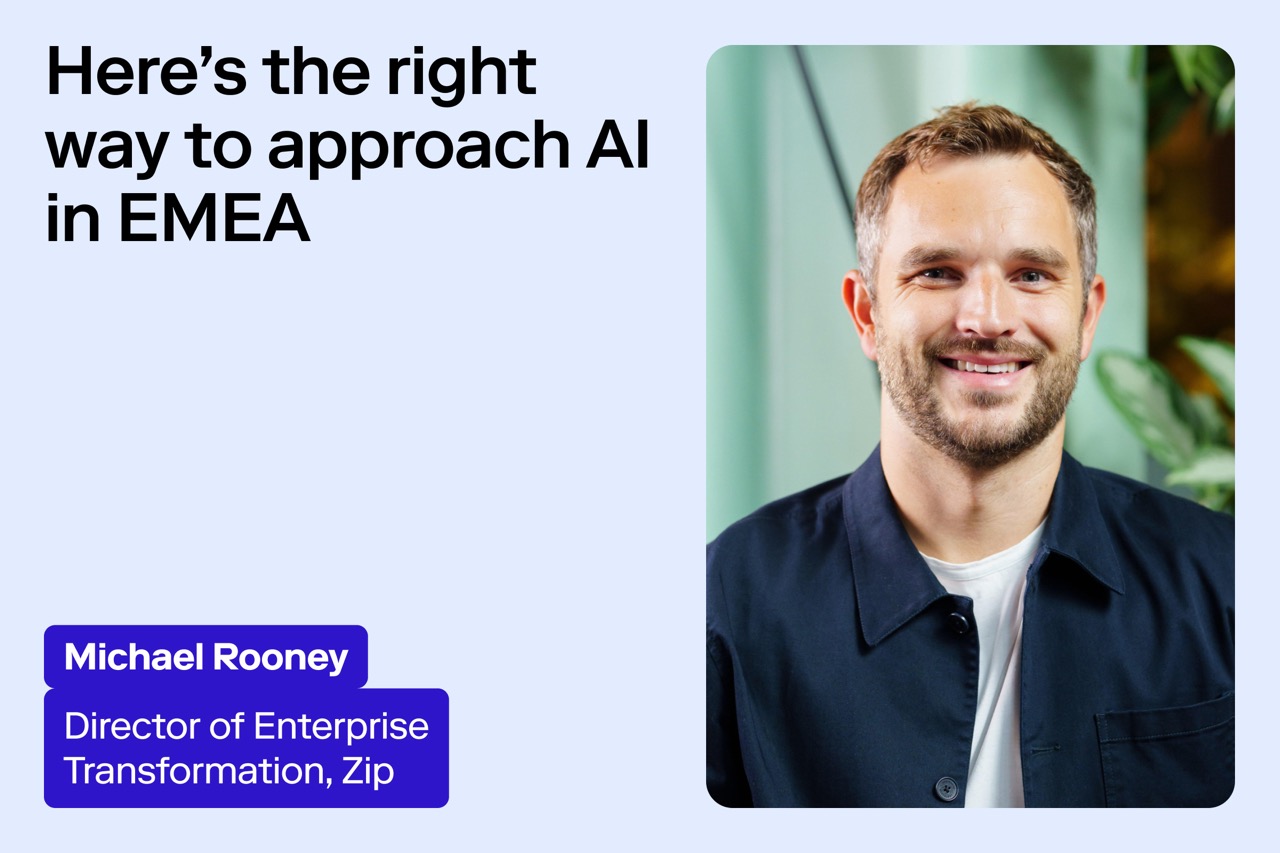
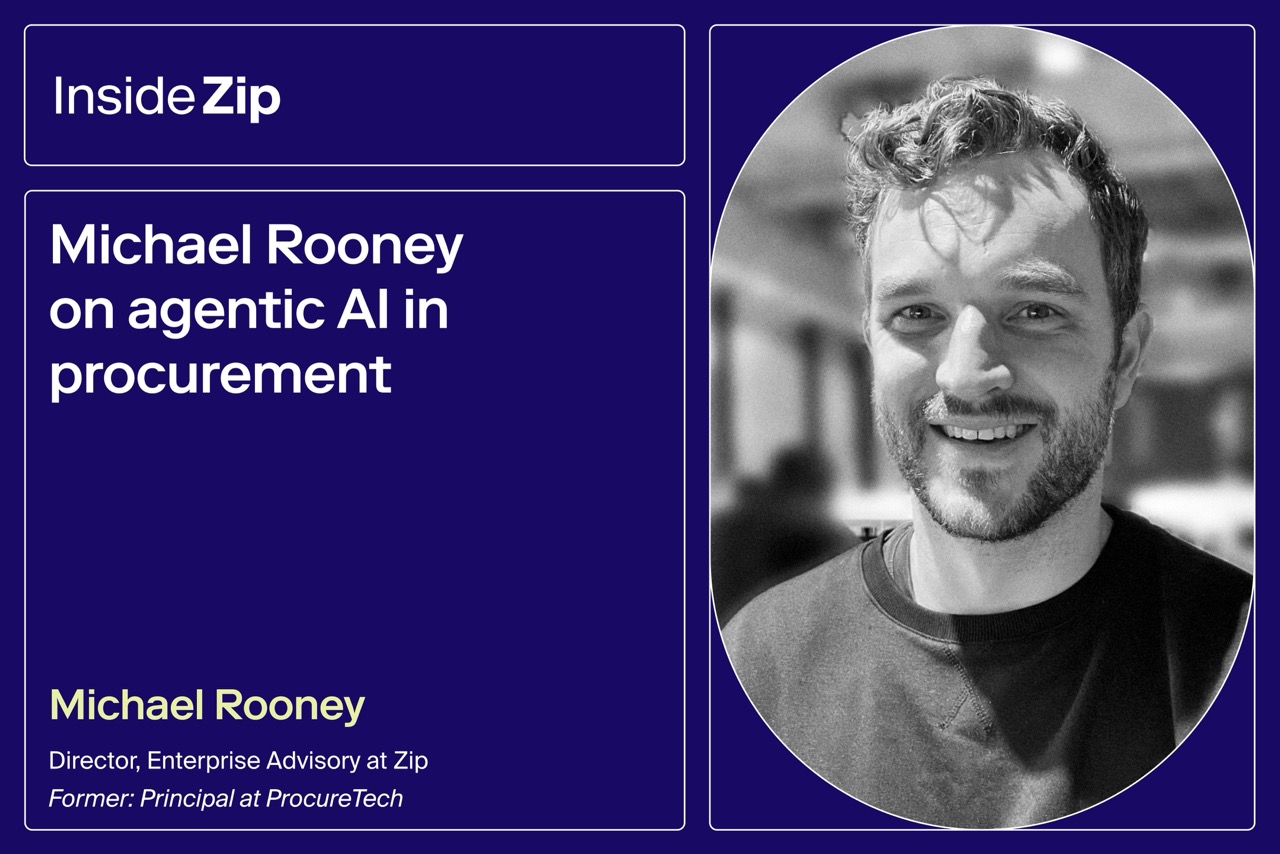
Michael Rooney on build plus buy, orchestration and why readiness can't wait.
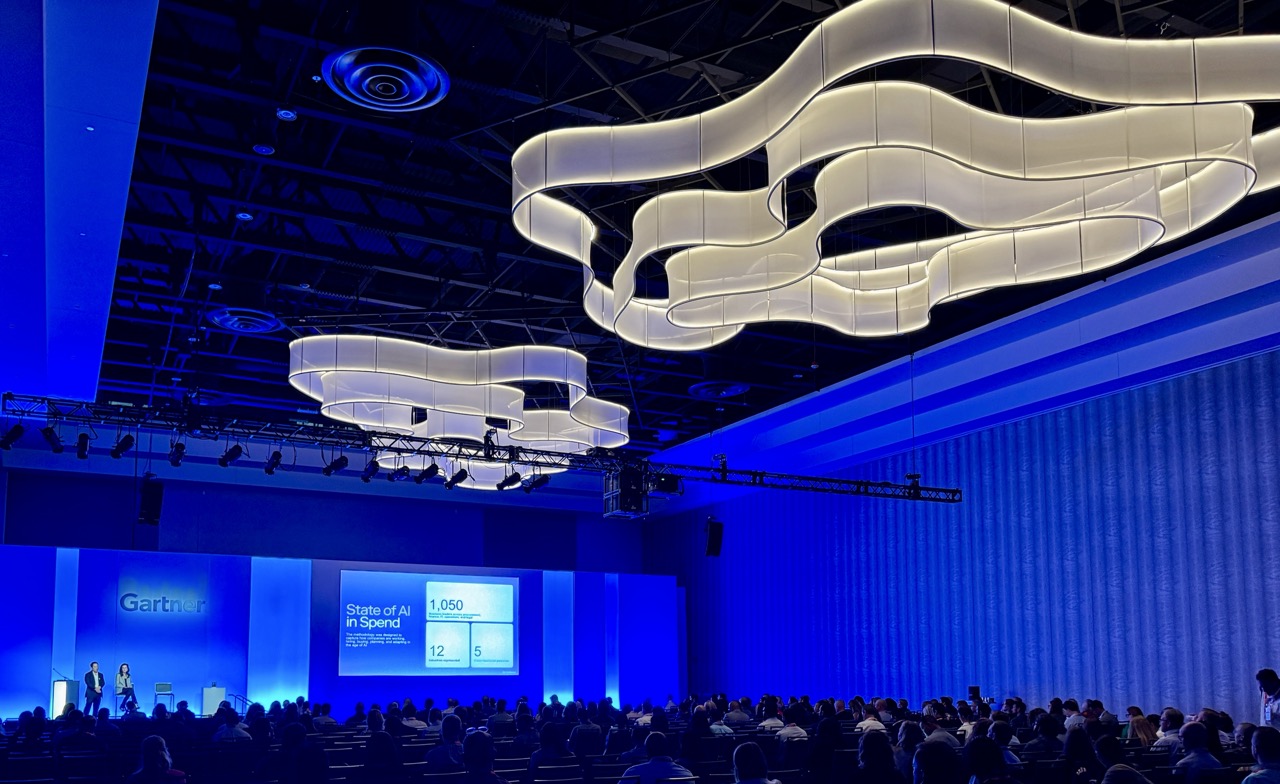
This November, ProcureTEX filled Circa Amsterdam with procurement leaders from across Europe, and the cloudy Dutch sky did nothing to dampen the mood inside. The venue was beautiful, the lighting even better, and the room had the energy of people who seemed excited that their function will likely look very different in just a few short years.
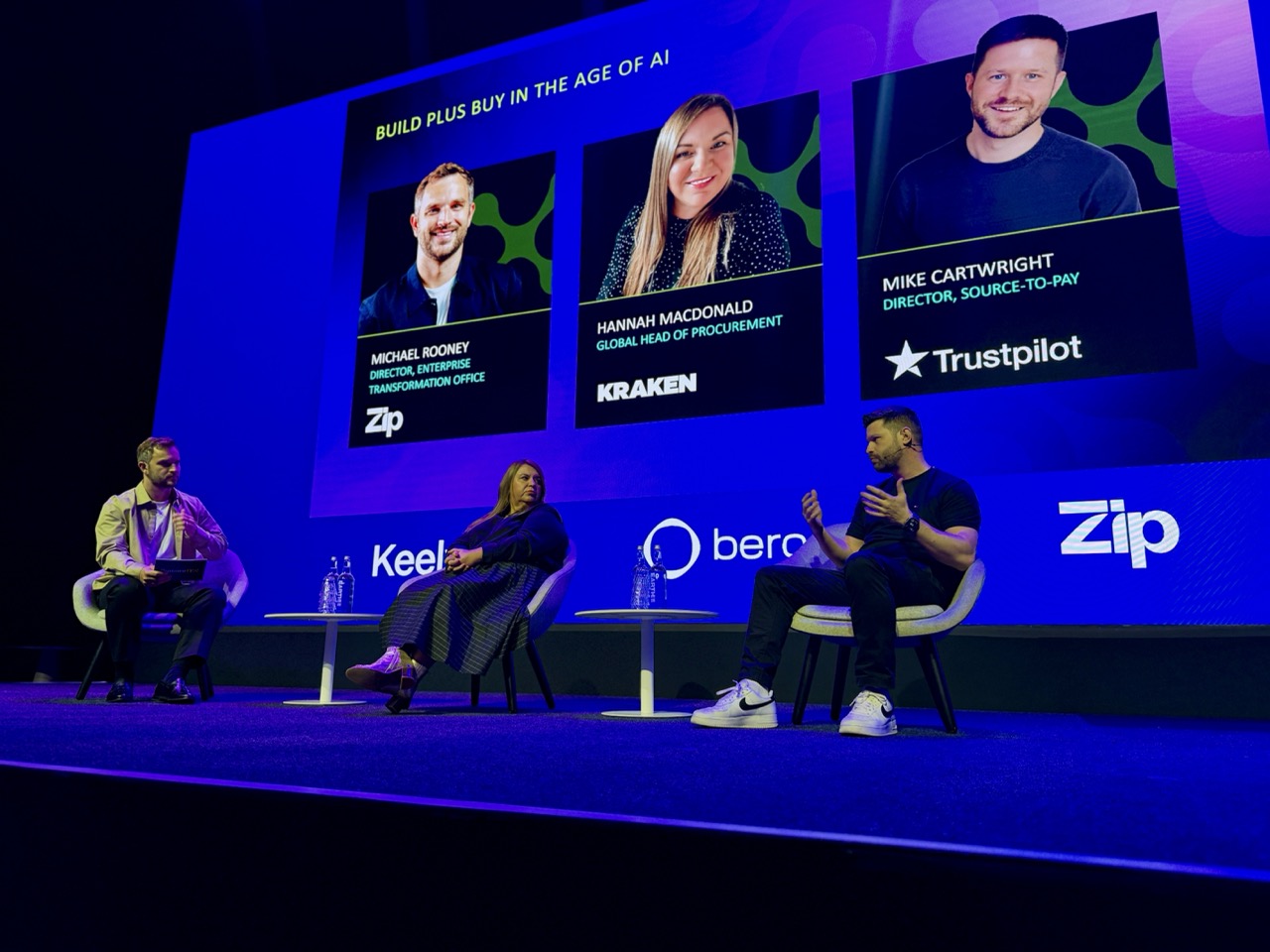
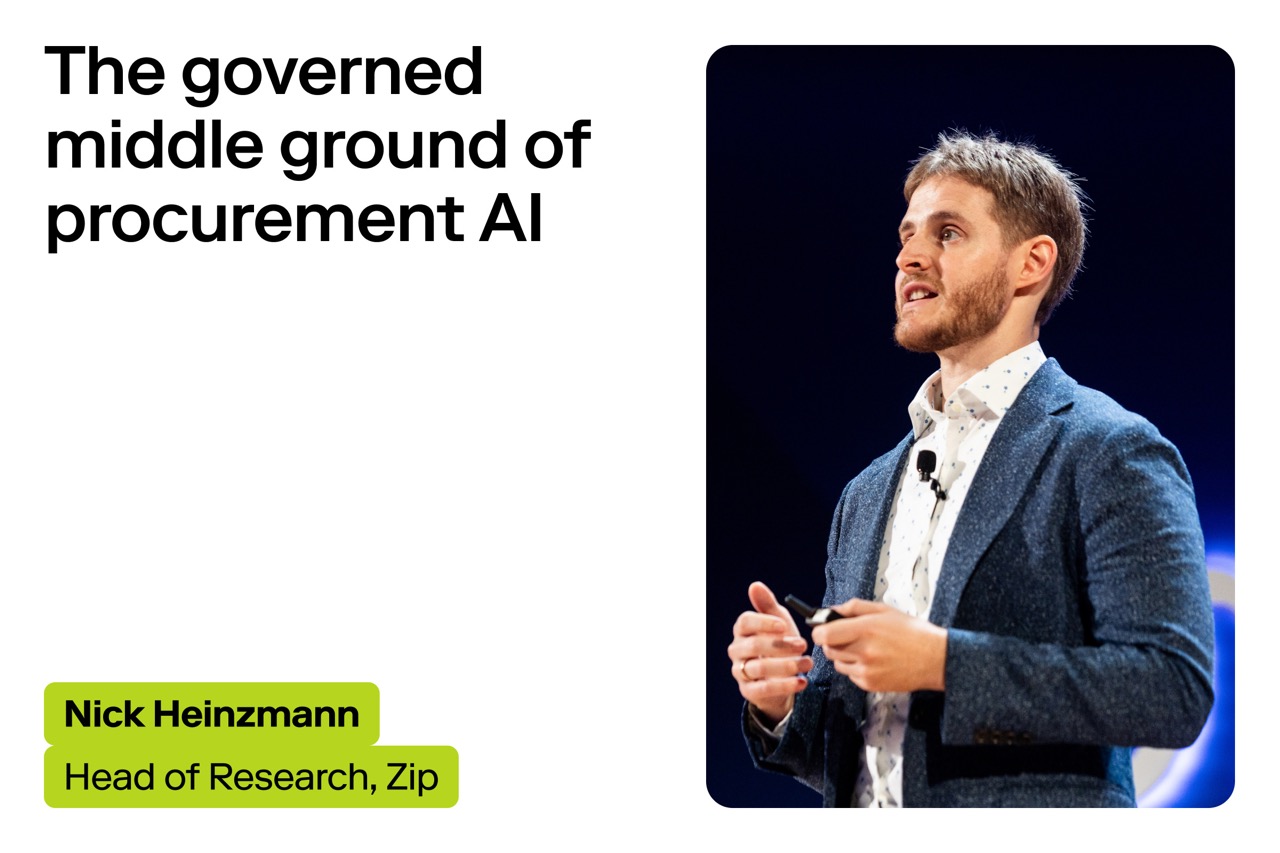
As Zip was a sponsor and founding partner of the event, I had the opportunity to speak in the keynote and lead a panel on the perennial question of build versus buy. Indeed, I believe the choice is a false one, and that the organisations getting real results from AI are thoughtfully buying and also building. But I'll get to that.
After the keynote, we were treated to a strong address from renowned AI analyst Benedict Evans. He walked the audience through the history of technological advancement up to the present moment and put AI transformation at the centre of what comes next.
For a procurement audience the link was hard to miss. Procurement decides what an organisation buys, from whom and under what controls, so it sits at the centre of how that organisation adopts AI.
Time flew by at ProcureTEX in the best way possible, and I came home with five takeaways.
1. Buy the foundation, build your edge
AI has made the prototype the easy part. A capable team with a good model can stand up a working intake assistant or a contract summariser in days. The hard questions come after the demo. Who maintains it? Who governs it? Can it be audited? Will it keep up as the business changes, and does anyone trust its output enough to act on it?
My answer on the panel was to split the stack in two. Buy the foundation, meaning orchestration, governance, integrations and data, because that layer is expensive to build and does nothing to set your organisation apart.
Then build your edge on top of it: the agents, workflows and insights that reflect how your business buys. The line I kept coming back to on stage was "Don't spend two years rebuilding plumbing."
2. Orchestration is what makes best-of-breed work
Most enterprises already run more than one procurement tool. In Zip's State of AI in Spend survey, 54% of the 1,050 procurement, finance, IT and operations leaders we asked run hybrid or best-of-breed stacks, and 8% use a single suite. Each tool may be the best at its job, but when the systems don't connect, data sits in silos and people rekey information from one screen to the next.
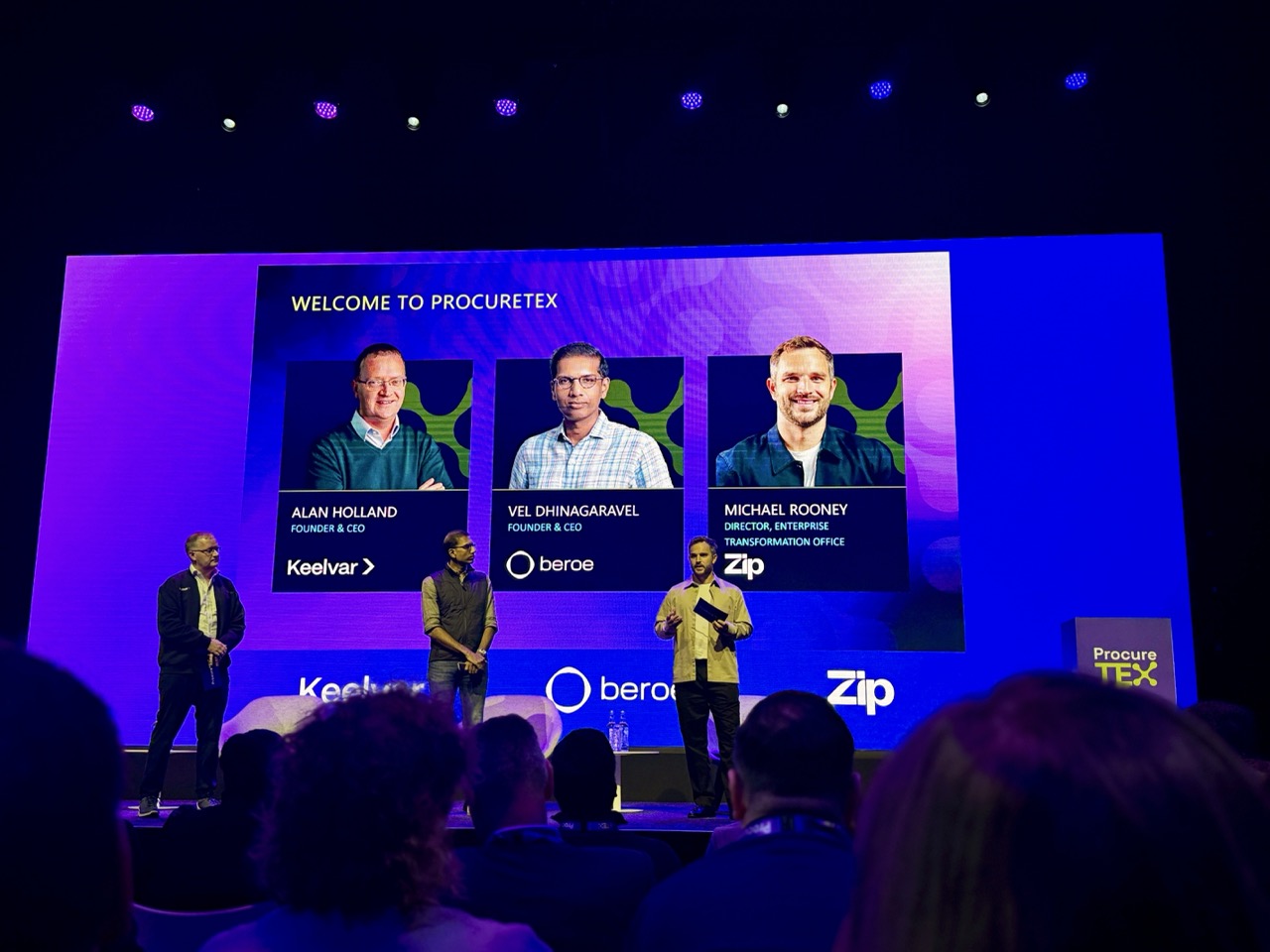
Orchestration lets those tools work together rather than compete for the same job. ProcureTEX itself is a good example. Keelvar, Beroe and Zip are founding partners, and each of us does something different: Keelvar automates sourcing, Beroe supplies market and supplier intelligence, and Zip orchestrates the workflow that connects them. I met many Keelvar and Beroe customers in Amsterdam who wanted to work out what that combination would look like inside their own organisations.
3. Agents work best where the workflow already lives
An AI agent is only as useful as the context it has. An agent that runs inside the platform where requests are raised, routed and approved can see the workflow, the integrations and the approval chain. A standalone tool sees whatever someone pastes into it.
Two of our customers show what this looks like in practice. Flow Traders took its deployment from pilot to go-live in days, not months. FootballCo uses intake AI that pre-fills purchase requests, so employees no longer start from a blank form. My advice for teams choosing a first use case is to start with a high-volume bottleneck that everyone already understands.
4. Readiness is not a prerequisite
Many procurement teams are waiting for clean data, for fully mapped processes and for governance to settle before they start. I call this the trap. Readiness is a lens you keep applying as you go, and the cost of standing still compounds every quarter you wait.
Poppy Sandhu, SVP Finance and Corporate Operations at Footballco, who joined my colleagues in a panel discussion, showed why. Her team was spending 30 to 50% of every week firefighting, and that pain forced the decision to act. Rather than clean every dataset first, she focused on the data that mattered most for her team, which was the ledger integration and budget segmentation.
5. Trust, governance and value you can prove
Procurement leaders often assume control and speed trade against each other. They don't have to. Audit trails, version history and delegation can be built into the platform, so a fast approval is also a recorded and reviewable one.
Our survey data shows what happens when governance lives outside the workflow. 57% of leaders say they have used AI tools for work that their employer hasn't sanctioned or provided. Only 17% have achieved clear, measurable ROI from AI investments in procurement technology. Depth of deployment is what separates that 17% from everyone else: 55% of them use AI widely across multiple spend processes, compared with 4% of organisations that have seen no return or haven't invested meaningfully.
Thank you, Keelvar and Beroe
Thank you to Keelvar and Beroe for founding ProcureTEX and for having us as a partner, and to everyone who came to my keynote and panel. I'm already looking forward to the next one.
If you'd like to talk through what build plus buy could look like for your organisation, speak to our team.










AI procurement orchestration, from intake to pay
Enter your business email to keep reading
