
What procurement should do with the time AI hands back
Three places to reinvest the hours AI gives back to procurement teams.

We live in an era where AI is either promising to automate, or already automating, the tasks that once consumed considerable portions of a procurement team's week.
With increasingly capable AI platforms for procurement, the role of our function is changing considerably, and leaders and practitioners I often speak to are both excited and also a bit confused as to how best to adapt.
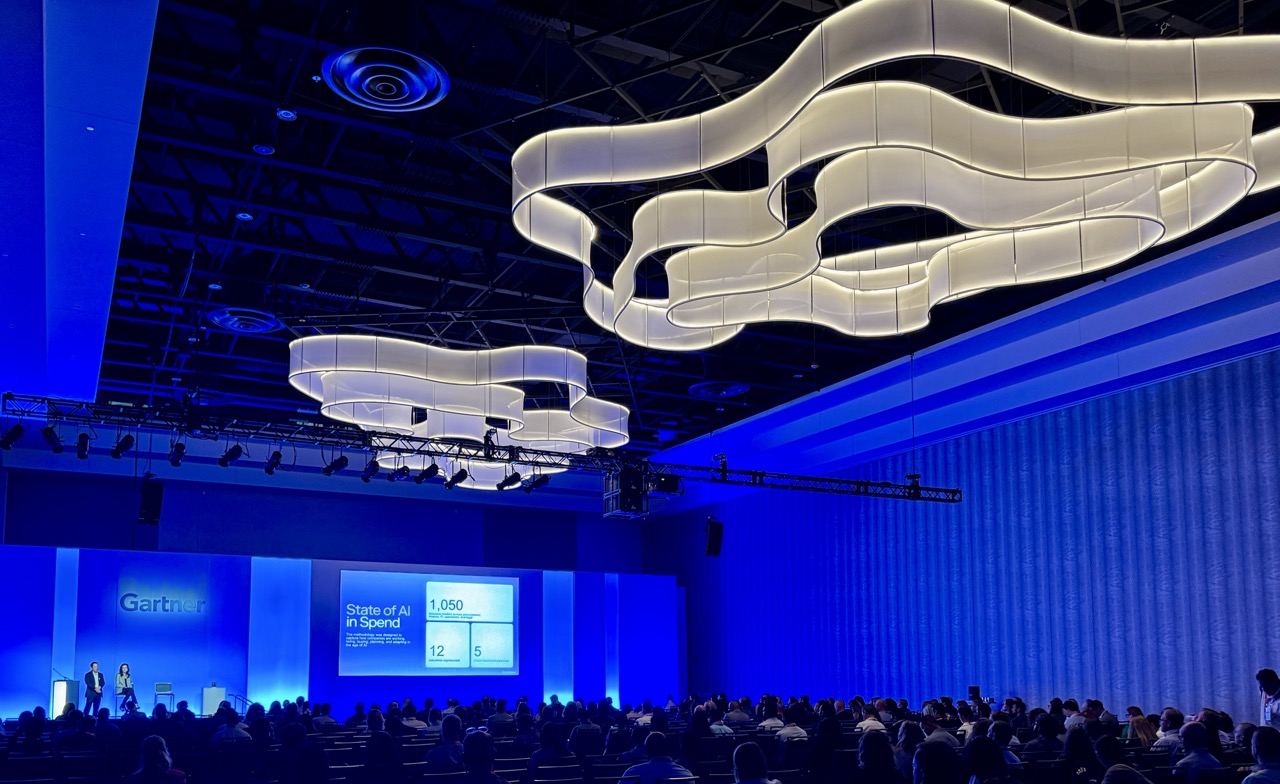
Yet adapt we must. In Zip’s State of AI in Spend report, 62% of the business leaders we surveyed said they use AI tools “multiple times per day,” and 89% report net productivity gain even after accounting for the time they spend reviewing and correcting AI output. This suggests that AI is now a part of our work, and few are going to be willing to go back.
But capacity will always get reabsorbed into the same cycles unless there’s a clear destination for these newly reclaimed hours. The way I see it, there are three categories of focus procurement teams should invest in now that the busywork has been automated with AI. These are in value realization, building your business case, and knowing when to go back to the table. There’s never been a better time to earn that seat.
Let’s go deeper.
Automation is taking significant amounts of work off the table
Procurement teams have long spent their days on routine work that, while necessary, didn’t actually move a number. All businesses need to buy, and to accomplish this requires pulling spend data, chasing down contract terms, triaging requests before reaching key stakeholders—entire roles dedicated to the kind of work AI is best at.
Capacity is not the same thing as value. As AI takes work off the table, free hours without a plan will be refilled with more of what it already does.
According to our State of Spend data, 17% of companies are leading the pack in transforming their operations and finding real ROI with their AI investments, and within that group, 60% are finding those returns from cost savings; not in cycle time or compliance, but money that was retained in the budget.
This is a signal as to where our reclaimed hours should go first.
A negotiated discount or a favorable contract term isn’t value until someone tracks it, then holds the business or supplier to it and eventually catches it.
This follow up work—eg. auditing invoices against negotiated terms, flagging drift, and closing the loop with finance—is exactly the kind of thing that gets skipped when a team is heads-down sourcing the next deal. It also happens to be the exact kind of thing AI hands teams the time to finally do.
How to sell the strategy internally
Reclaimed time is also an opportunity to build the internal case for where procurement should focus next. Our survey data (which you can download as a AI skill here) revealed this year’s top savings targets: professional services (42%), contingent labor (32%), software and SaaS (29%), and travel and events (26.5%) are facing the most scrutiny.
Realizing savings in these areas takes more than good negotiation, but rather a procurement team that can walk into conversations with the business with data in hand and make the case for why a policy, purchased product, product design or vendor choice needs to change. This is relationship and persuasion work, and not the kind of thing you can outsource to an AI Superagent.
How to know when to negotiate
It’s worth remembering that procurement’s influence is only set to grow. 63% of business leaders expect our influence to increase over the next three to five years. At the same time, nearly a third name procurement’s own slow, inflexible processes as the single biggest thing holding the function back. Think about what this means.
Timing renegotiations well does require someone watching contract performance year-round, not only at renewal season, and having the standing internally to act on what they see. This kind of ongoing attention is what often got dropped when a team was buried in manual analysis.
Now attention is our biggest asset, and AI gives us significantly more time to devote to it.
The skills that separates the teams pulling ahead
Nearly everyone is already using AI, usage is high across the board. What’s separating the teams furthest along are the ones building the judgement to use AI well.
Nearly half of the business leaders we polled said the trait they’re hiring the most for is the ability to evaluate and fact-check AI output. This is a tell: the bottleneck is no longer doing the analysis, but trusting it and knowing how to act upon it strategically.
This also shows up in how teams are structured. Among the group achieving the most measurable ROI, the same number who have cut or consolidated roles also expect their teams to grow. This means teams are recomposing around higher-value work. Fewer people doing the analysis, more people doing the job that results from the results.
AI has cleared the pathway, has created space for the work that should have been the job all along, which is realizing value, building the internal case, and knowing when to leverage relationships and negotiate.
The teams that use AI to create a more human procurement function are the ones pulling ahead.
%20Large%202.jpeg)








%20Large.jpeg)


.webp)


AI procurement orchestration, from intake to pay
Enter your business email to keep reading
