Zip vs. Ramp

The best platform for business-critical spend

Zip is the leading AI platform for spend control, giving finance & procurement control over every vendor relationship. Ramp simply layers a lightweight procurement upsell onto a card platform.

Request a demo

Why companies choose Zip over Ramp
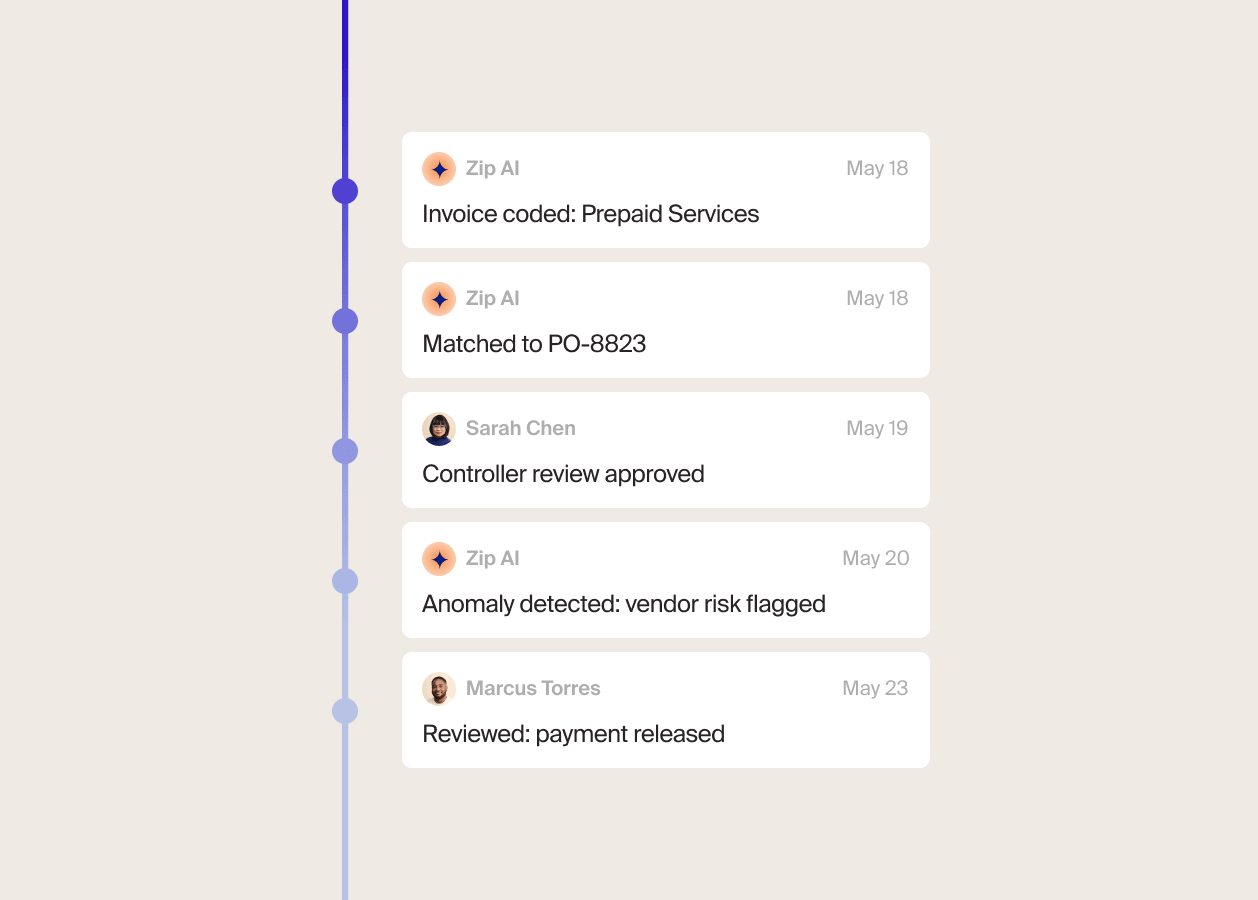
Built for high stakes spend

Outside of payroll, businesses spend most of their money on vendors, not travel and expense. Data breaches, audit failures, and SOX findings most often come from bad vendors. Only Zip has been deployed to hundreds of public companies, running all vendor spend.
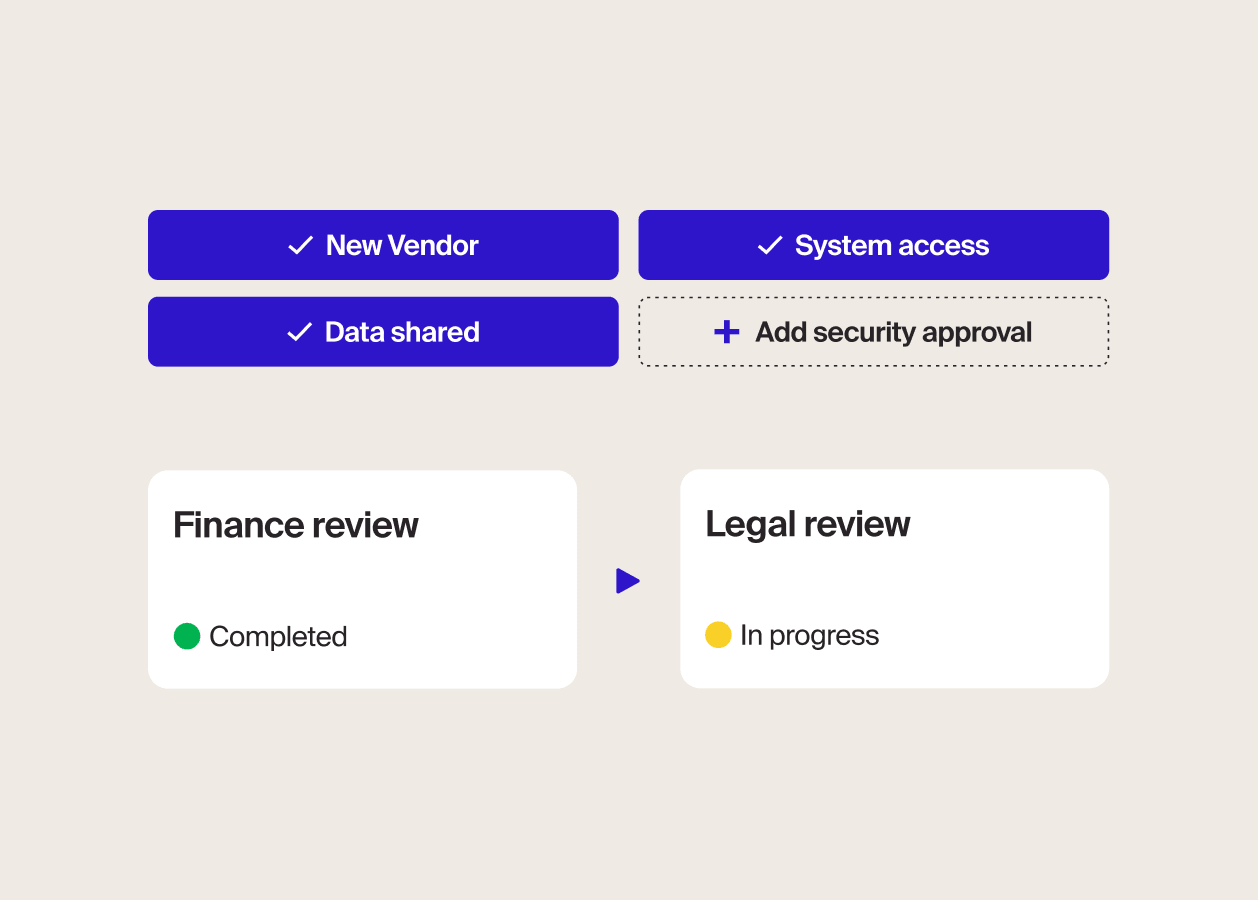
Depth, breadth, and flexibility

The average purchase request changes 7-12 times from initiation through purchase. Each change is a risk to controls, policy, and governance. Zip is the only solution with the ability to automatically and dynamically adjust to non-static purchase and invoice workflows.
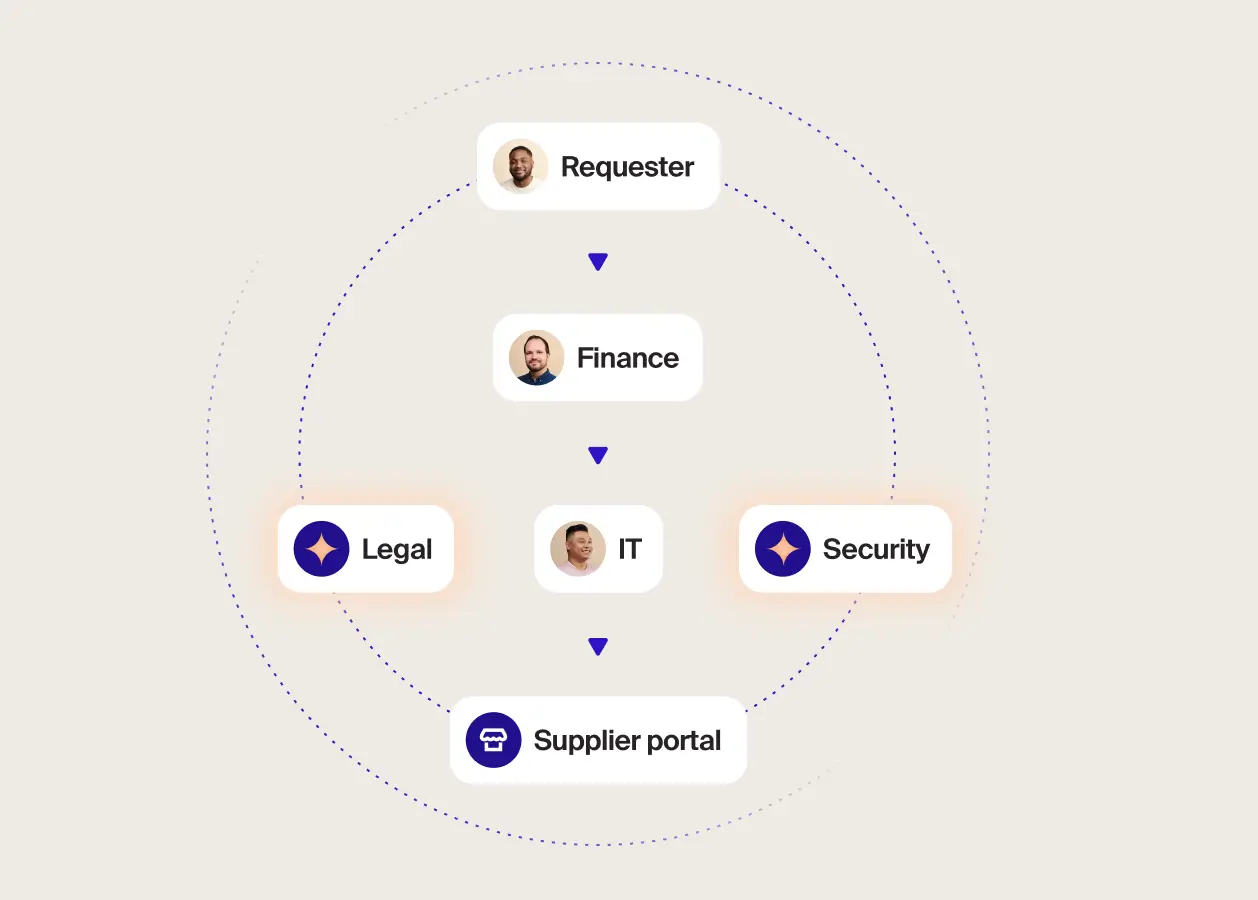
A platform you won’t outgrow

Ramp is a card business, expanding into accounts receivable & AI, primarily serving the SMB. Ramp isn't able to serve the cross-functional approvals, global entities, and deep ERP integration that scaling enterprises require.

Trust a market leader
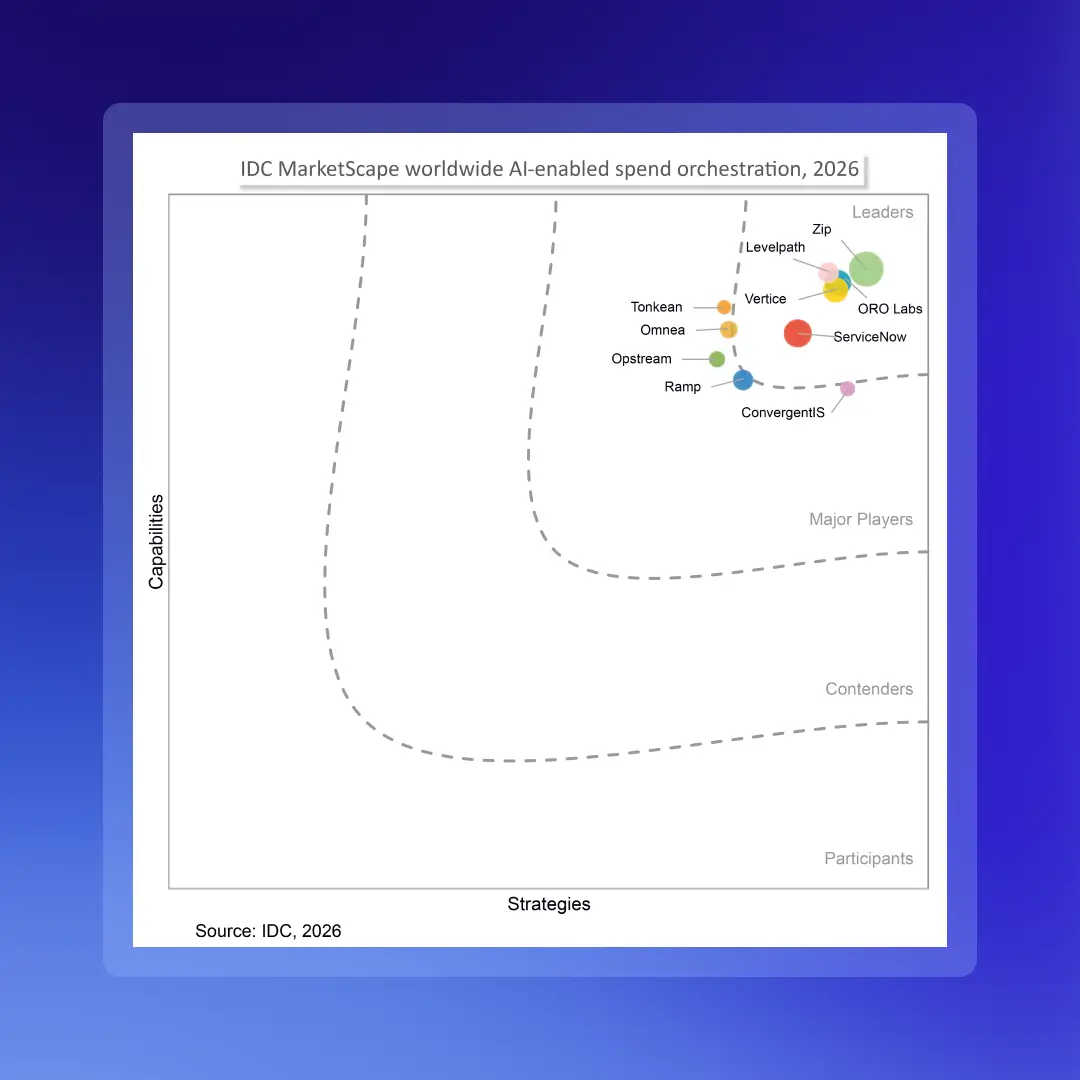
Zip named a Leader for the second time for Spend Orchestration

Ramp showed gaps in contract lifecycle management, third-party risk management, and multi-entity configuration.
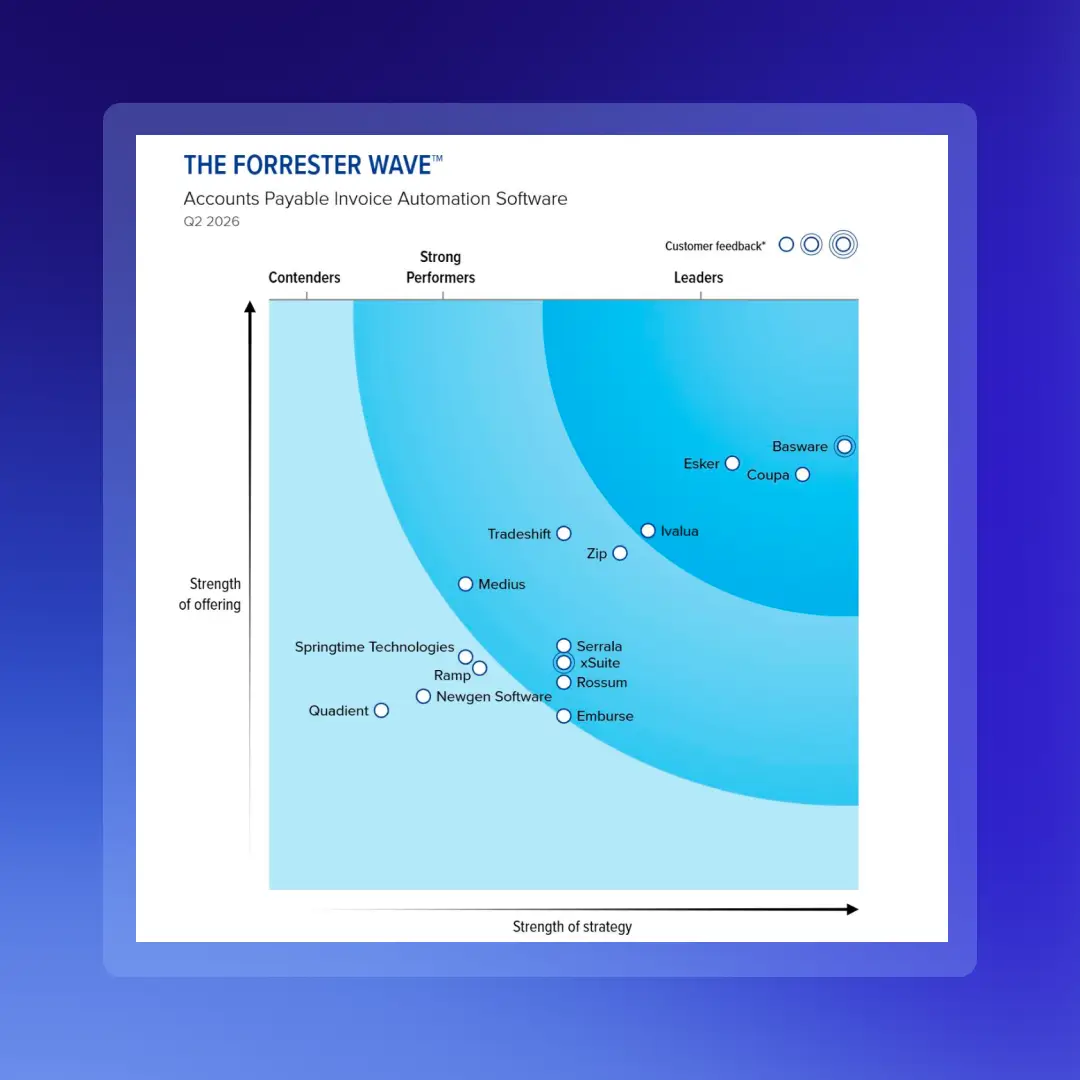
Zip debuts as a Strong Performer in the Forrester Wave for AP Automation

Zip outscored Ramp on the three capabilities that matter most at scale: invoice data capture, fraud and risk management, and e-invoicing compliance.

"Zip is also one of the few providers with referenceable production deployments of agentic AI for procurement, with autonomous agents already executing tasks across the full procurement life cycle."

Patrick Reymann, Research Director, IDC

For finance & accounting teams

Zip vs Ramp

Ramp

Zip

Vendor spend coverage

Built around card spend and T&E, with sourcing, supplier management, and contract features locked behind paid add-on tiers

A native Source-to-Pay platform with sourcing, supplier management, contract orchestration, and payments

Vendor risk & audit trail

Vendor risk checks are one-time gates at onboarding, not monitored after

Continuous vendor risk visibility with a full audit trail, from intake to payment

AI & invoice processing

OCR-based, partial extraction with manual rules and re-keying still required for accurate coding

AI invoice coding and smart categorization across every transaction

Travel & expense

Corporate cards and expense management built into the platform

Brex-powered corporate cards inside the same approval workflows as vendor spend

Approval workflows

One workflow chosen at intake - no branching once you're mid-flight

Conditional routing that adapts as requests change mid-flow

Multi-entity & currency controls

Can route by entity, but can't set separate spend limits per entity

Native per-entity spend limits and global currency support

Implementation & onboarding

Customers build their own workflows from scratch, with no guided setup process

Structured onboarding with dedicated customer success and expert guidance from day one

Scalability

Intake and approvals built for simple requests. As spend grows to require approvals from legal, IT, and security, workflows don’t scale to match

Built to scale from a single approver to full cross-functional routing across legal, IT, security, and any additional teams

I don’t think we’ve ever adopted a technology that has a better net promoter score (NPS) within the organization than Zip


John McCauley, 

Former CFO, Calendly

Frequently asked questions

What's the difference between Zip and Ramp?

Zip is purpose-built for the full Intake-to-Pay cycle, connecting the purchasing process from employee requests and approvals through procurement, AP, and payment.

‍

Ramp is a corporate card and expense platform that only recently expanded into procurement. While Zip was built around vendor spend, Ramp is built around cards and travel and expense (T&E).

Why choose Zip if we already use Ramp?

Using Ramp for cards or expenses doesn’t mean your procurement process needs to be built around your card provider. Vendor spend is naturally more complex, involves more risk, and requires deeper integration depth, controls, and coordination.

‍

Zip is purpose-built for that process, giving procurement and finance one connected way to manage purchases from request through payment.

Does Ramp support full procure-to-pay workflows like Zip?

Ramp's platform covers cards, Bill Pay, and light procurement operations. Contract lifecycle management (CLM) and ongoing supplier risk management (TPRM) aren’t part of the platform, and Sourcing is in early access. 

‍

Zip connects procurement, purchase orders, receiving, payments, cards, vendor management, and ERP workflows in one system, built for the full Procure-to-Pay cycle from day one.

Ramp says they’re leading agentic finance. What can Zip do?

Ramp has developed their own AI, but its procurement agents are primarily designed to research, summarize, and recommend next steps for human reviewers.

‍

Zip Superagents go further. They can reason, collaborate, and take governed action across procurement workflows, from unblocking approvals and negotiating with vendors to reviewing contracts and resolving invoice exceptions.

What ROI can I expect from switching to Zip from Ramp?

In an IDC-validated study, Zip customers switching from alternative providers saw a 434% three-year ROI, a 4.9-month payback period, and $1.3M in average annual benefit. They also saw 93% fewer late payments, 58% faster invoice-to-payment cycles, and 55% of invoices processed automatically through AI invoice scanning.

Why do growing finance and procurement teams switch from Ramp to Zip?

Ramp works well for early-stage teams centered on corporate cards and expenses. As a company grows, Ramp's procurement layer lacks the maturity to support the increase in vendors, exceptions to track, and controls that a scaling organization needs to rely on. Zip is built as one connected system from day one, so controls are enforced and visibility doesn’t slip as your team scales.

Ramp says its better to have procurement, cards, and expenses in one platform. Why Zip?

Ramp offers a broad set of financial products centered on cards and expenses. Zip goes deeper where business-critical spend is most complex: coordinating procurement, finance, legal, IT, security, suppliers, contracts, invoices, and payments.

‍

More modules don’t necessarily mean more control. Zip gives every team one connected process for governing spend from the initial request through payment.

Ramp recently released punchouts. What does Zip have?

Ramp recently launched punchouts, but its coverage remains extremely limited.

‍

Zip supports 60+ punchout catalogs globally, including Amazon Business and CDW, so you can support the suppliers and buying channels your business already uses without forcing teams to change how they purchase.

AI procurement orchestration, from intake to pay