

At a glance
“
Zip has definitely come in at a great time because this was always a problem that needed to be solved.
”
Before Zip
- A decade of added tools: one to push POs, another for supplier onboarding, and more over time, like rooms built onto a house
- Processes that differed by region, with teams using tools and sub-processes the central team did not know about
- Automation that mostly helped the procurement team, not the people requesting purchases
After Zip
- A single front door for all requests with regional and tax requirements built into the logic
- A real-time "cockpit" across source-to-pay to benchmark policies and OKRs
- AI that serves both the procurement team and the people who buy
Key Products:
Integrations:
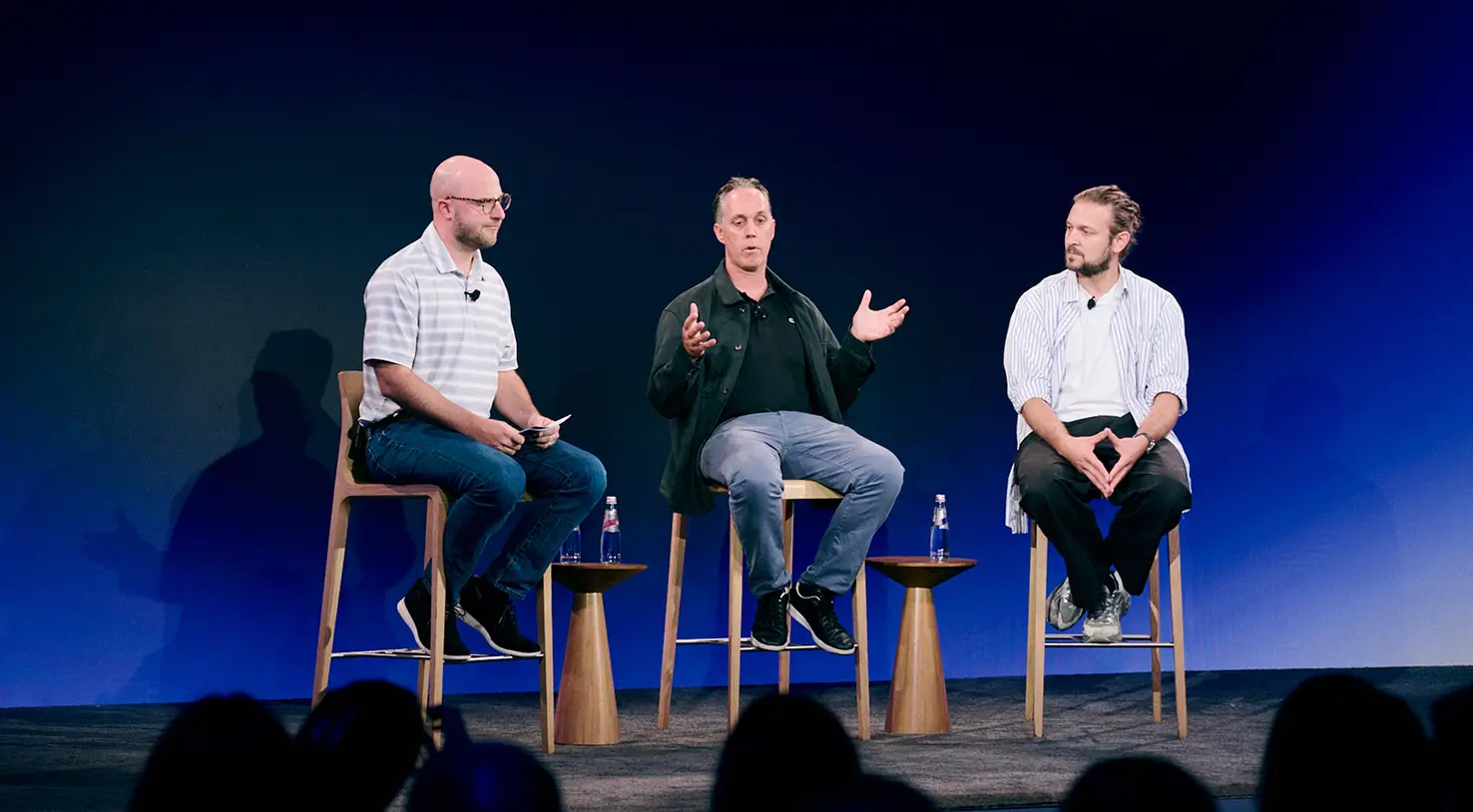
Mark Arrigotti, who leads finance operations at Uber, and Antoine Callens, who runs procure-to-pay, joined Zip Forward 2026 to describe how Uber is rebuilding procurement for the AI era.
The challenge
Both Mark and Antoine have been at Uber over a decade, and Mark calls their team "pioneers": when they arrived, Uber had no procurement or travel and expense programs at all.
Building those programs left Uber with a tool for each new need. One tool pushed people to create POs, another handled supplier onboarding, and more followed. Internally the team calls the result a house where you keep adding rooms, and "it becomes a bit messy." Mark, who has worked at three Fortune 100 companies, says he has seen the same pattern before: an ecosystem that grows "very involved and very complex."
The operating model changed along with the tools. Uber started as a local company, with procurement staff in 20 to 30 markets. It moved to regional hubs (APAC, EMEA, LATAM), then to a tighter global model concentrated in a few cities. Along the way, processes drifted apart. When Antoine's team mapped them, they found people in different regions using tools and sub-processes they did not know existed.
Most of the automation built over ten years served the procurement team, not the people buying. And for a global company, Mark says, the stakes of choosing a platform are high: "If you get it wrong, your job could be on the line." So he spent three years watching the orchestration market and waiting for global functionality, features and a client list that met Uber's bar.
The solution
Uber chose Zip to bring procurement into one place. Internally, the team calls it their "iPhone moment": the point where many separate tools become one.
Buy, not build. Uber is a tech company with a strong fintech team, so building was a serious option. About a year and a half ago, the team asked what the future of procure-to-pay should look like and landed on two needs: a single tool, and one powered by AI. Zip met both, and its roadmap matched Uber's ambition. Antoine also points to timing: building would have taken "a few years," while Uber got nearly ready in about a year. Mark's guidance for others: "Do your diligence and don't build things that you can buy off the shelf," and keep builders focused on the product, not back-office finance.
One front door that keeps regional needs. Uber used the design and requirements phase to take a hard look at every regional process. With one intake and interface in place, regional specifics, such as local tax requirements, sit underneath it instead of in separate tools. Over the next twelve months, the team will reassess each exception and decide which ones to keep.
AI for the team and for requesters. For the first time, Antoine says, Uber is "serving both our users and our team." Mark says finance operations already has the most AI in the back office at Uber, built by picking low-hanging fruit first and adding from there. Uber's own tech team has also built agents, and Zip's ability to support custom agents lets Uber benefit from the product while improving it together with Zip.
A partnership that shapes the roadmap. Antoine says Uber pushed Zip to move AI in the directions it needed, and the two companies did it together.
A cockpit across source-to-pay. Mark expects one view across what used to be ten tools, so Uber can benchmark policies, strategies and OKRs in real time. He plans a new program-management team that watches the platform daily, spots themes and brings opportunities to legal, third-party risk management and procurement as a service.
The result
Uber’s team went from evaluating solutions to rolling out Zip in about a year, where building in-house would have taken a few years. The requirements work paid off on its own: mapping every regional process surfaced tools and sub-processes the central team had never seen, and local needs like tax requirements now in one place.
AI is already reaching beyond the procurement team. Mark says finance operations has "the most AI in the back office at Uber," built by picking low-hanging fruit first. And after a decade of automation aimed at the procurement team, Antoine says Uber is now "serving both our users and our team."
Looking ahead, Mark expects the gains to grow. "I think half of [what the team works on] can be augmented through a platform like Zip," he says. “That means people will just focus on the more critical parts of their job they never got to." Antoine sees the same platform becoming a front door well beyond source-to-pay, to travel and expense or accounts receivable.
Looking at the current state of procurement and what the team has been able to accomplish in a year, Mark shares, “Zip has definitely come in at a great time because this was always a problem that needed to be solved.”


